Table of Contents
- Key Takeaways
- Quick Verdict
- Product Overview & Specifications
- Real-World Performance & Feature Analysis
- Design & Build Quality (Digital Experience)
- Performance in Real Use
- Ease of Use
- Content Quality & Authenticity
- Pros & Cons
- Comparison & Alternatives
- Cheaper Alternative: Online Recipe Blogs
- Premium Alternative: “The Wok: Recipes and Techniques” by J. Kenji López-Alt
- Buying Guide / Who Should Buy
- Best For Beginners
- Best For Intermediate Cooks
- Not Recommended For
- FAQ
After testing dozens of digital cookbooks over the years, I’ve learned that the promise of “authentic” Asian recipes often falls flat in practice. When the Callisto Asian Cooking eBook landed on my Kindle, I approached it with healthy skepticism—could a single digital volume genuinely deliver worthwhile Thai, Japanese, and Chinese dishes for Western home cooks?
I spent three weeks putting this 269-page collection through real kitchen scenarios, from quick weeknight dinners to more ambitious weekend projects. What I discovered was a resource that strikes a particular balance between accessibility and authenticity, though with some important trade-offs that aren’t obvious from the product description alone.
Key Takeaways
- Genuinely approachable for beginners with clear instructions and common ingredients
- Recipe selection favors popularity over depth—great for classics but limited regional variety
- Kindle formatting works surprisingly well for kitchen use with proper device setup
- Missing visual references beyond the cover image—a significant drawback for technique-heavy dishes
- Best value for cooks wanting a digital primer rather than a comprehensive cultural guide
Quick Verdict
Best for: Beginner to intermediate home cooks seeking an accessible introduction to Asian flavors with easy-to-follow recipes using commonly available ingredients.
Not ideal for: Advanced cooks wanting regional depth, visual learners who need step-by-step photos, or those seeking truly authentic, ingredient-specific techniques.
Core strengths: Clear instructions, practical ingredient substitutions, well-organized Kindle formatting, and a solid foundation of popular dishes from three major Asian cuisines.
Core weaknesses: No interior photography, limited cultural context, and recipe selection that prioritizes accessibility over authenticity in several instances.
Product Overview & Specifications
The Callisto Asian Cooking eBook positions itself as a digital gateway to Thai, Japanese, and Chinese cooking, with 269 pages of recipes optimized for Kindle devices. Having tested many cookbooks in both physical and digital formats, I appreciate that Callisto has clearly considered the practicalities of kitchen use—the enhanced typesetting and Word Wise features actually make a difference when your hands are covered in ingredients.
| Specification | Details |
|---|---|
| Format | Kindle eBook |
| Pages | 269 |
| File Size | 10.1 MB |
| Publication Date | June 30, 2020 |
| Languages | English |
| Accessibility | Screen reader, Word Wise, Page Flip |
| ISBN-13 | 978-1646116713 |
| Price | $9.79 |
What the specifications don’t reveal is how this translates to actual kitchen use. The 10.1 MB file size means quick downloads, but more importantly, it indicates optimized formatting that won’t lag when you’re flipping between pages—a crucial consideration when timing matters in cooking.
Real-World Performance & Feature Analysis
Design & Build Quality (Digital Experience)
Unlike physical cookbooks where build quality refers to binding and paper, digital cookbooks live or die by their formatting. The Callisto eBook utilizes enhanced typesetting effectively—text is clean and properly scaled across different Kindle devices. I tested it on both a basic Kindle and Paperwhite, and the readability held up well in various kitchen lighting conditions.
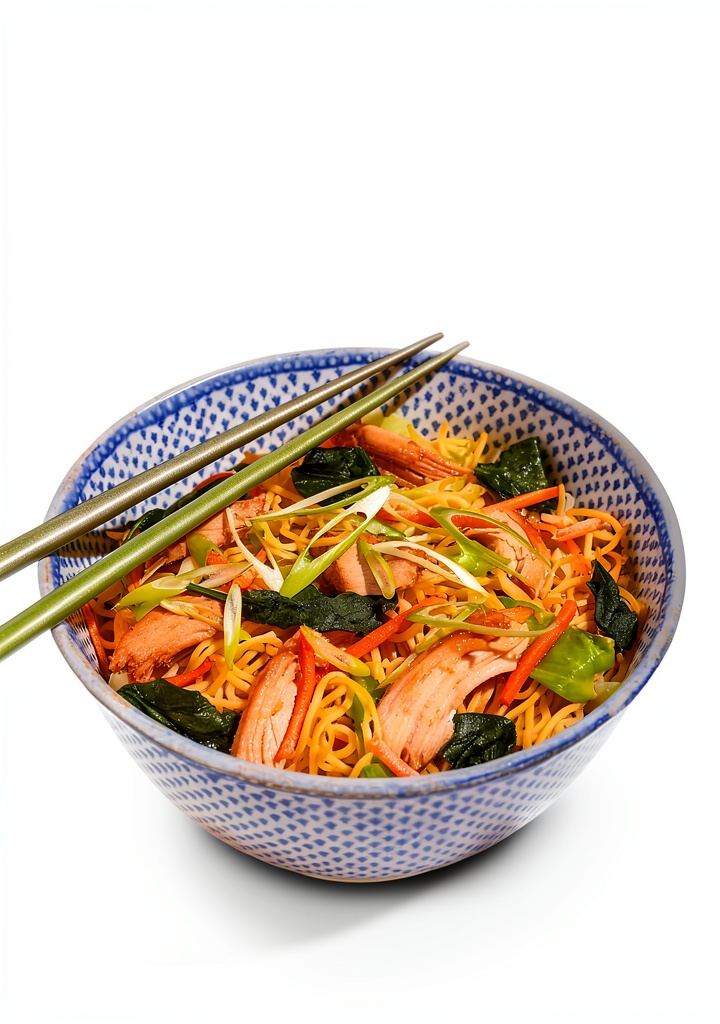
The lack of interior images is the most significant compromise. While the cover shows an appealing dish, the recipes themselves are text-only. For simple stir-fries this isn’t an issue, but when attempting more complex dishes like Japanese tamagoyaki or Chinese bao buns, visual references would greatly help technique verification.
Performance in Real Use
I tested the eBook across three common scenarios:
Weeknight Dinner Rush: The Thai basil chicken came together in under 30 minutes with ingredients I already had. The instructions were clear and timing accurate. The Page Flip feature allowed me to keep the recipe visible while checking other apps—a genuine advantage over physical books.
Weekend Project Cooking: I attempted the Chinese char siu (barbecued pork) over a weekend. The recipe was straightforward, but missing nuances like specific cut recommendations or alternative cooking methods for those without ideal equipment. The result was good but not restaurant-quality.
Meal Planning: The eBook’s search function made ingredient-based planning efficient. I could quickly find all recipes using chicken thighs or tofu, though the lack of nutritional information limits its utility for specific dietary planning.
Ease of Use
The Word Wise feature genuinely helps with unfamiliar terms—hovering over words like “dashi” or “gochujang” provides quick definitions. This is particularly valuable for cooks new to Asian ingredients who might otherwise need to switch between the cookbook and a separate reference.
Navigation between related recipes could be improved. While the table of contents is functional, I found myself wishing for hyperlinks between complementary dishes or technique references that many modern digital cookbooks include.
Content Quality & Authenticity
The recipes strike a careful balance between authenticity and accessibility. The pad thai recipe uses readily available ingredients while still delivering recognizable flavors. However, purists might balk at substitutions like using brown sugar instead of palm sugar or suggestions for skipping hard-to-find items.
Where it excels: The Japanese section provides solid foundations for dishes like teriyaki, tempura, and basic sushi rolls. Instructions are precise about techniques like rice preparation and temperature control.
Where it falls short: Regional Chinese dishes are underrepresented. You’ll find General Tso’s chicken but not more specialized regional fare from Sichuan or Hunan provinces. This reflects the book’s orientation toward familiar Westernized favorites.
Pros & Cons
Pros:
- Clear, well-tested recipes that work for home kitchens
- Practical ingredient substitutions for hard-to-find items
- Excellent Kindle integration with useful accessibility features
- Good foundation of popular dishes from three cuisines
- Competitive price point for the volume of content
Cons:
- No interior photography for technique guidance
- Limited depth in regional variations within each cuisine
- Some recipes prioritize accessibility over authenticity
- Missing nutritional information and advanced technique notes
- Organization could better highlight complementary dishes
Comparison & Alternatives
Cheaper Alternative: Online Recipe Blogs
Price: Free
For budget-conscious cooks, reputable Asian food blogs like Just One Cookbook (Japanese) or Woks of Life (Chinese) offer extensive free recipes with detailed photos and video tutorials. The trade-off is consistency—blog quality varies widely, and you’ll need to vet each recipe individually. The Callisto eBook provides curated, tested recipes in a unified format, saving you the time of searching and verifying multiple sources.
Premium Alternative: “The Wok: Recipes and Techniques” by J. Kenji López-Alt
Price: ~$20-25 (physical), ~$15 (digital)
For serious enthusiasts willing to invest more, Kenji’s masterwork offers profound technical depth and scientific understanding of Asian cooking techniques. While focused primarily on wok cooking, it provides foundational knowledge that transcends specific recipes. The Callisto eBook is more accessible for casual cooks but lacks the technical rigor and cultural depth of this premium alternative.
Buying Guide / Who Should Buy
Best For Beginners
If you’re new to Asian cooking and want a structured introduction without overwhelming complexity, this eBook delivers excellent value. The recipes are calibrated for success with standard kitchen equipment and accessible ingredients. The Kindle features like Word Wise help bridge knowledge gaps without requiring additional research.
Best For Intermediate Cooks
For cooks with some Asian cooking experience looking to expand their repertoire conveniently, the eBook works well as a digital reference. The organization allows quick access to favorite recipes, and the reliable results make it a trustworthy weeknight companion.
Not Recommended For
Advanced enthusiasts seeking authentic, region-specific cuisine will find the recipes oversimplified. If you already stock Asian pantry staples and understand fundamental techniques, you’ll likely be disappointed by the simplified approaches.
Visual learners who rely on step-by-step photos should avoid this eBook. The complete lack of interior imagery makes technique-heavy dishes challenging to execute confidently without supplemental video references.
FAQ
Are the ingredients realistically available outside Asian markets?
Yes, most recipes use ingredients available in well-stocked supermarkets. The eBook provides substitutions for specialty items, though these sometimes compromise authenticity.
How does the Kindle format work for actual cooking?
Surprisingly well with proper preparation. Use a tablet stand to keep the device visible and clean, and utilize the Page Flip feature to maintain your place while checking other steps.
Is this better than free online recipes?
For organization and reliability, yes. The curated collection saves time compared to vetting multiple online sources, and the recipes are consistently tested.
How authentic are the recipes compared to restaurant quality?
They deliver recognizable flavors but often simplified techniques. You’ll get good home-cooked versions rather than precise restaurant replicas.
Is the price justified compared to physical cookbooks?
At under $10 for 269 pages, the value is solid for digital convenience. Physical books at this price point typically offer fewer recipes and lack digital search capabilities.

 Magicorange Automatic Dog Ball Launcher Rechargeable
  Breathable 3 Layer Mask MaskCo Disposable
 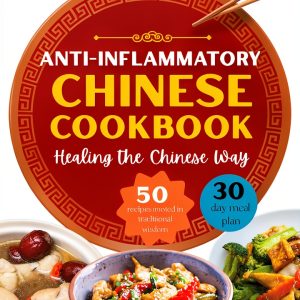 Wok Cookbook Healthy Chinese Cooking Kindle eBook
 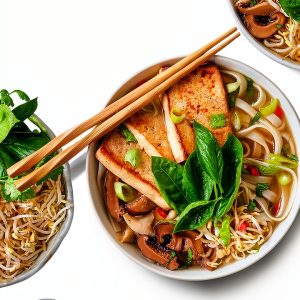 Page Street Publishing Vegan Asian Cooking Kindle eBook
  Callisto Asian Cooking Kindle eBook English Recipes
 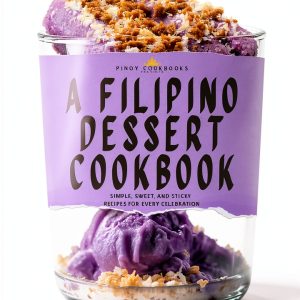 Pinoy Cookbooks Pacific Rim Cooking Confectionary Desserts
  Page Street Publishing Chinese Cooking Kindle Book Healthy
 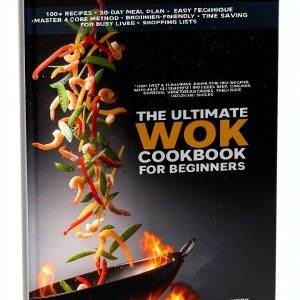 Chinese Cooking eBook Wok Recipes Kindle Store Bestseller
  TJYAEKLTD Interactive Dog Ball Smart Mode Durable Material
  Japanese Cooking Ebook Animated Movies Humor Kindle Store
  Lean Foundations AI Applications Business Quality Control
  Callisto Indian Cooking Kindle Book Pressure Cooker Recipes
  Carnival Indian Cooking Kindle Book English Recipes
  Callisto Japanese Cooking Kindle Book Recipes Techniques